The UK's stringent pharmaceutical label regulations demand precise translation services for product labels, crucial for global trade and patient safety. Specialist translators ensure compliance, accessibility, and accurate communication with diverse consumers, facilitating international commerce while upholding regulatory standards. Regular updates and adherence to guidelines are vital for responsible medication use. Future trends include standardized, eco-friendly, and data-integrated labeling, maintaining the central role of translation services in the UK pharmaceutical market.
Are your pharmaceutical labels up to UK standards? With stringent regulations in place, ensuring compliance is crucial. This comprehensive guide explores the intricacies of UK pharmaceutical labeling, from understanding key regulations to leveraging translation services for global reach. Discover best practices, common challenges, and case studies showcasing successful translations. Learn how professional translators ensure accuracy and stay ahead with future trends in regulatory labeling.
- Understanding UK Pharmaceutical Label Regulations
- Language Translation for Global Compliance
- The Role of Professional Translators
- Ensuring Accuracy in Drug Labeling
- Common Challenges in Pharmaceutical Labeling
- Case Studies: Successful Translations
- Best Practices for Ongoing Compliance
- Future Trends in Regulatory Labeling
Understanding UK Pharmaceutical Label Regulations
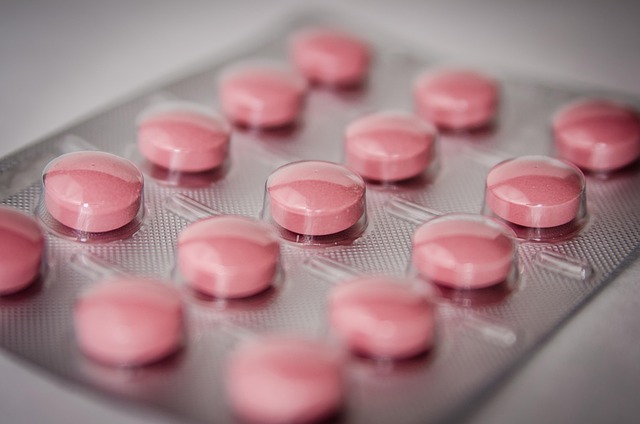
The UK has stringent regulations for pharmaceutical labels, designed to ensure product safety and inform consumers accurately. Compliance is non-negotiable, with strict guidelines covering everything from text size and font type to specific information requirements. These rules are in place to protect public health, making them vital for manufacturers and distributors alike.
Translation services for pharmaceutical product labels UK play a crucial role here. With a diverse population and increasing global trade, it’s essential that all information is not only accurate but also accessible to everyone, regardless of language. Professional translation ensures compliance, safeguarding consumers while facilitating international trade.
Language Translation for Global Compliance

In today’s global pharmaceutical market, ensuring your product labels are UK-compliant is non-negotiable. One critical aspect often overlooked is language translation for international markets. As a professional in this field, you must remember that your pharmaceutical product labels require precise and culturally sensitive translations to meet regulatory standards worldwide. Translation services play a pivotal role here, enabling companies to navigate the complex landscape of global compliance.
By utilising specialist translation services for pharmaceutical product labels UK-wide, businesses can guarantee accurate communication with diverse consumer groups. This is particularly vital when marketing products across borders, where even subtle nuances in language can impact understanding and, consequently, patient safety. Therefore, it’s essential to partner with experts who understand not just the technical terminology but also the cultural subtleties involved in translating pharmaceutical information.
The Role of Professional Translators
In ensuring your pharmaceutical labels are UK-compliant, professional translators play a vital role. With strict regulations governing drug labeling to guarantee patient safety, accurate and precise translation is non-negotiable. Translation services for pharmaceutical product labels in the UK require not just linguistic proficiency but also deep knowledge of pharmacological terminology and local regulatory requirements.
Professional translators equipped with these skills are essential to navigate the intricate landscape of UK drug labeling standards. They ensure that instructions, warnings, and ingredients are conveyed clearly and correctly, avoiding potential risks or misunderstandings among healthcare professionals and patients. Their expertise is instrumental in upholding the integrity of pharmaceutical products while adhering to legal obligations.
Ensuring Accuracy in Drug Labeling
Accurate drug labeling is paramount in the pharmaceutical industry, especially with the complex regulations in place, such as those in the UK. Every detail on a label must be precise and up-to-date to ensure patient safety and regulatory compliance. One small error can lead to severe consequences, including product recalls, legal issues, and damage to a company’s reputation.
Translation services play a crucial role here for pharmaceutical companies with a global reach or those looking to expand their market. Accurate translations of drug labels into various languages are essential to ensure that the information remains clear and accessible across different regions. Professional translation services specializing in pharmaceutical terminology can help bridge this gap, providing UK-compliant labels that meet both regulatory standards and patient understanding requirements.
Common Challenges in Pharmaceutical Labeling

In the fast-paced pharmaceutical industry, ensuring compliance with UK regulations for product labels is paramount. One of the common challenges lies in the complex nature of these guidelines, which often require meticulous attention to detail. From proper formatting and font sizes to specific information mandates, even a slight oversight can lead to non-compliance. This is where translation services play a vital role, especially for pharmaceutical companies operating across borders or with diverse product portfolios.
Accurate and reliable translation is essential to overcome this challenge, ensuring that labels are not only compliant but also clearly convey critical information to consumers and healthcare professionals alike. Professional translation services specializing in pharmaceutical labeling can help navigate the intricate web of regulations, avoiding costly mistakes. By leveraging their expertise, companies can streamline their processes, maintain compliance, and ultimately provide safe and effective medication to patients.
Case Studies: Successful Translations

When it comes to pharmaceutical labels, precision and clarity are paramount, especially in a country with diverse linguistic needs like the UK. Many companies have benefited from professional translation services for their product labels, ensuring compliance with local regulations while maintaining high-quality communication. These case studies highlight successful examples of how accurate translations can make a significant difference.
For instance, a global pharmaceutical company faced challenges in launching a new drug due to language barriers across its UK market. By enlisting expert translators with specialized knowledge of healthcare terminology, they were able to translate product labels seamlessly, ensuring adherence to British National Formulary (BNF) guidelines and other local standards. This led to faster market entry, increased patient safety, and improved brand perception among UK consumers.
Best Practices for Ongoing Compliance

To ensure ongoing compliance with UK regulations, pharmaceutical companies should adopt best practices that incorporate professional translation services for their product labels. Accurate and precise translations are vital to convey critical information about medication use, potential risks, and storage instructions in a clear and understandable manner for diverse consumer populations.
Regularly updating label content to align with the latest regulatory guidelines and actively engaging reputable translation providers who specialize in the pharmaceutical sector can help maintain compliance. This proactive approach not only guarantees that product labels accurately reflect current legal requirements but also fosters public safety by promoting effective medication adherence and minimizing potential risks associated with miscommunication.
Future Trends in Regulatory Labeling

The future of pharmaceutical labeling in the UK is set to be shaped by several emerging trends and technological advancements. One key area of focus is the increasing demand for standardized, machine-readable labels. This shift towards automation aims to streamline production processes and enhance data accuracy, particularly with the rise of digital prescription systems. As technology evolves, translation services for pharmaceutical product labels in the UK will play an even more critical role, ensuring compliance across diverse markets.
Additionally, sustainability is at the forefront of regulatory changes, driving the adoption of eco-friendly materials and design strategies. These innovations not only cater to environmental concerns but also offer improved patient safety by enhancing label durability and readability. The industry’s trend towards data integration and smart labels promises a more interactive experience for healthcare professionals and consumers alike, marking a significant evolution in pharmaceutical labeling practices.
In ensuring your pharmaceutical products meet UK regulations, understanding label requirements and leveraging translation services for pharmaceutical product labels UK are paramount. By adhering to strict guidelines, incorporating accurate language translations, and adopting best practices, you can navigate the complexities of global compliance successfully. This not only safeguards consumer safety but also fosters trust in your brand’s quality and reliability. As regulatory landscapes evolve, staying informed about future trends will enable you to maintain compliance and stay ahead in the competitive pharmaceutical market.